Objection Handling: How to Rebuild your Playbook section (2026)
Most objection handling sections train reps to lose deals. Here's how a leader rebuilds that section into a standard the whole team runs, and how to inspect that they do.
Carla Macciocu
Sellcrafter
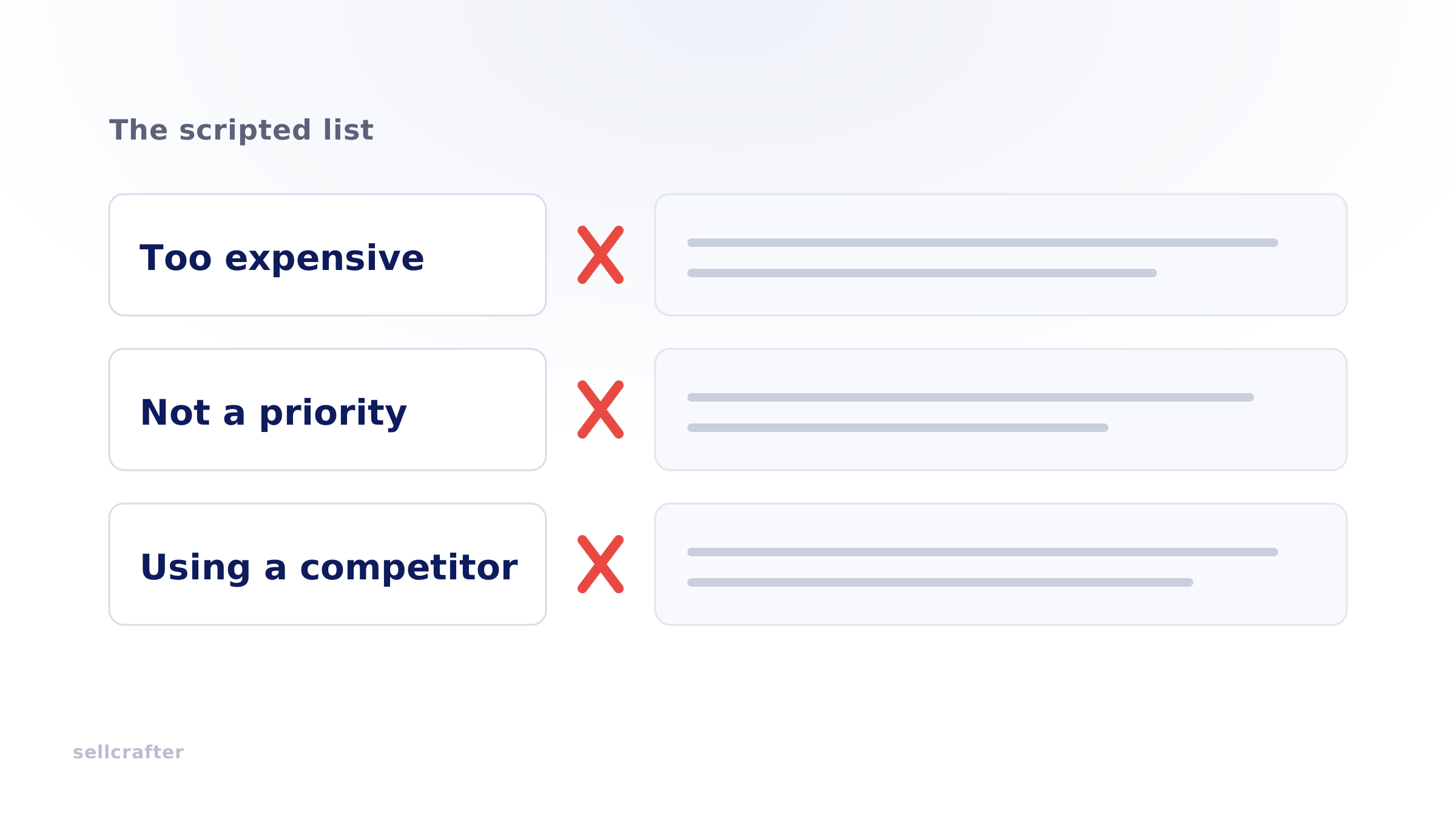
The objection handling section in most sales playbooks is a guide to losing deals. It lists common objections next to scripted responses.
Too expensive, justify the ROI. Not a priority, create urgency. Already with a competitor, differentiate.
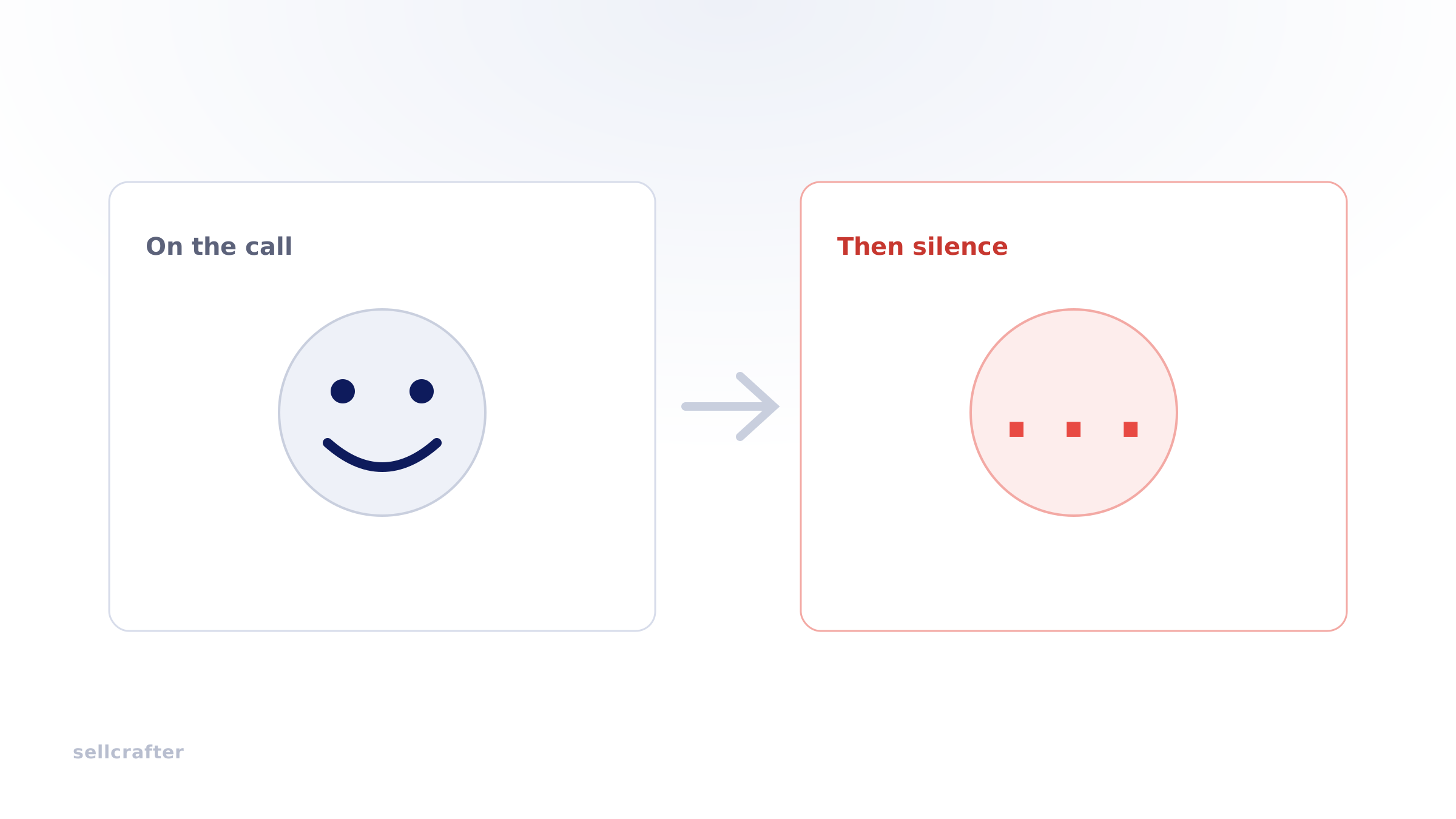
It reads well, and it trains your team to do the wrong thing, because the objections that actually kill your deals are never on that list. Nobody said them out loud.
This is how to rebuild that section so your whole team handles objections the same way, and how to inspect whether they do.
The standard most playbooks install by accident
A scripted objection list teaches one reflex: hear an objection, fire back the response the playbook gave you, move on.
Sales is not tennis. The objection is a symptom, not the problem, and a rep who answers the symptom loses the deal without understanding why.
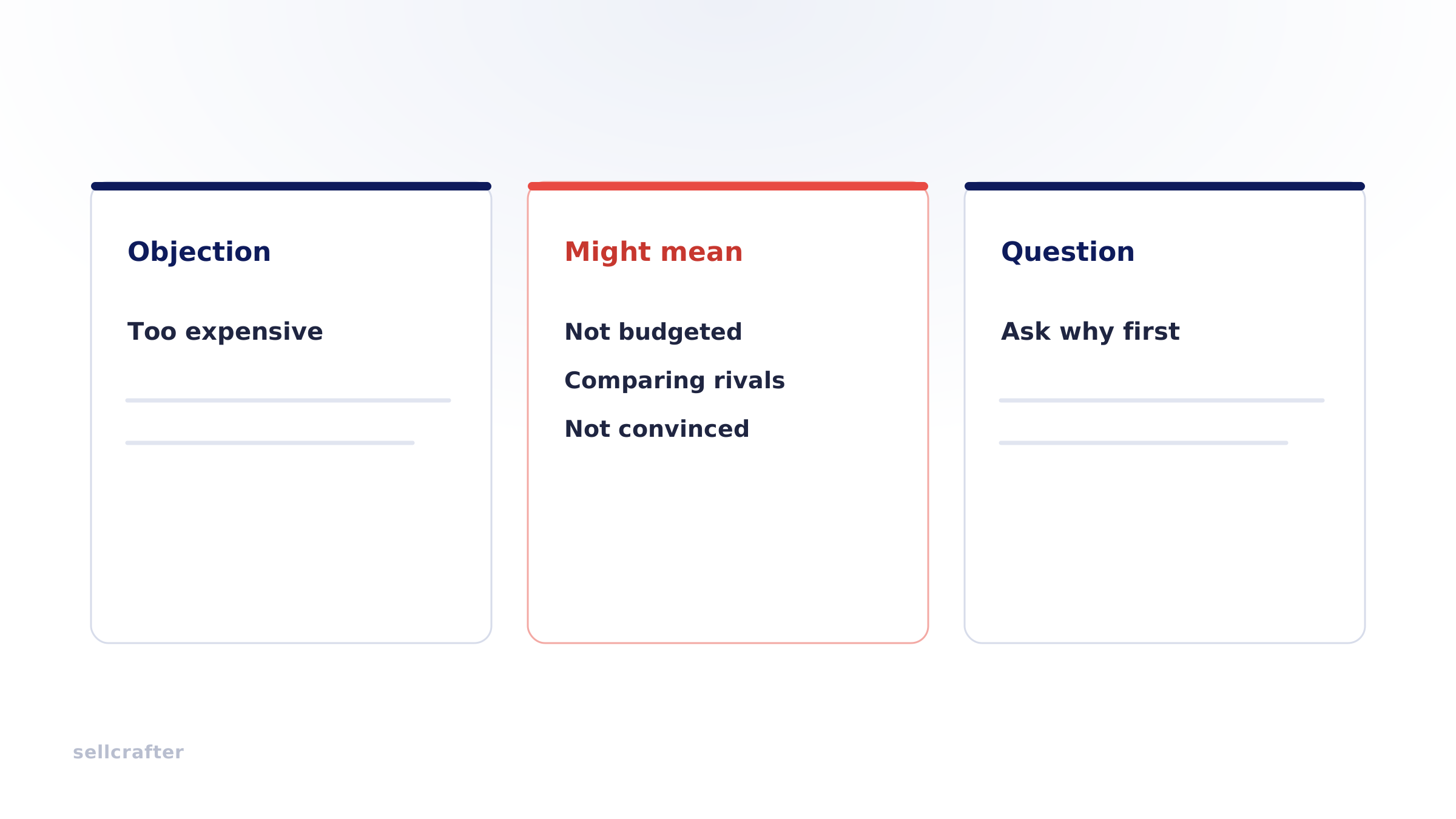
“It is too expensive” can mean it was never budgeted, or they are comparing you to a competitor, or price is a polite way of saying they are not convinced.
Three different problems, three different responses. A script picks one at random.
The standard you actually want your team running is simple: when you hear an objection, do not answer it, ask why first. The same reflex as when a prospect asks a question.
The objections that actually kill deals
The deals you lose are rarely killed by the objection a rep hears. They are killed by the ones nobody says.
Think about the last deal that went dark. The prospect did not call to list three reasons they were not buying. They went quiet, or asked for more time, or said next quarter.
Maybe someone internally said no and your contact did not want to relay it. Maybe they thought it was the wrong time and did not want to be rude. Maybe they had a concern and found it easier to stop replying.
Your rep never got to address any of it, because they never heard it. Surfacing those concerns is the rep’s job, and the prospect will not do it for them.
That means the standard has to include asking uncomfortable questions early and often, not at the end when the deal is already dying.
The standard: five questions every deal, not scripts
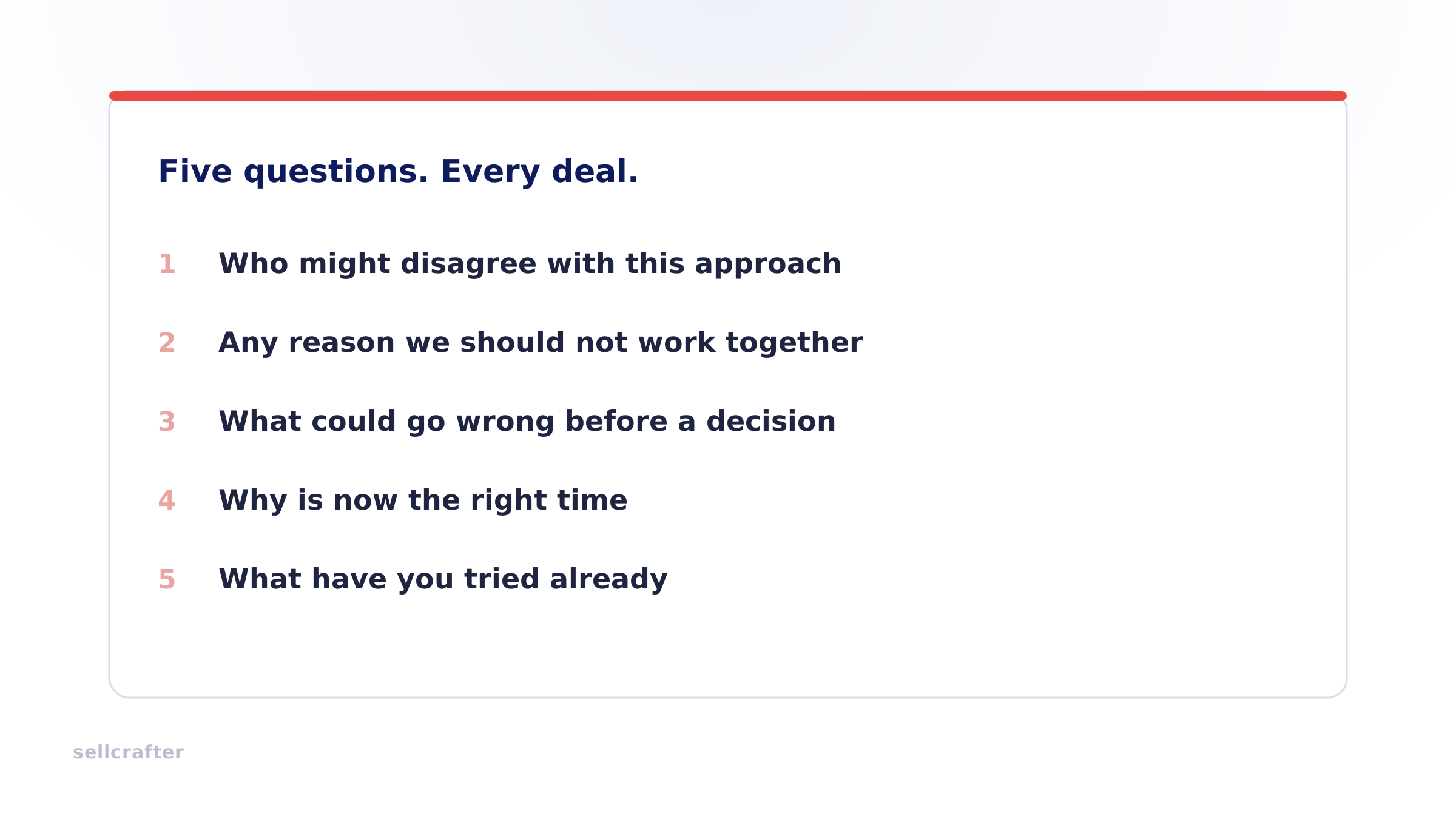
Install these five questions as the proactive half of the objection standard. They surface the objections a prospect will never volunteer.
Who might think this is not the best way to solve this problem. This finds the person who disagrees with the approach, the one in a side conversation with enough influence to kill the deal without ever joining a call.
Do you see a reason we should not work together. The question that scares reps most. If the answer is a real blocker, you found it while you can still act. Most of the time the prospect says it makes sense, and by saying it out loud they sell themselves.
What could go wrong between now and a decision. This surfaces the blockers that have nothing to do with your product: a reorg, a budget freeze, a competing project, headcount cuts. The prospect knows and will not volunteer it, but will answer if asked.
What makes you think this is the right time to implement this. This tests whether the urgency is real. A vague answer means no compelling event, and a deal that is a zombie.
What have you tried so far to solve this problem. This catches the scar tissue: a prospect who tried a similar tool and watched their team ignore it is quietly deciding it will happen again, and will not tell you unless asked.
Rebuilding a playbook section like this, and coaching the team to run it, is the kind of work I take on for B2B SaaS teams.
How to rebuild the section, and how to inspect it
Rebuild the objection section in four moves.
Keep the list of objections, because reps should recognize what they are hearing. Keep it current, adding new objections as they appear, because a list untouched for six months is missing what your team hears today.
Delete the scripted answers, all of them.
Replace each with a question that helps the rep understand why the prospect is raising it, and add a column for what it might really mean, written as a list of possible causes rather than one.
The new format is three columns: the objection, what it might really mean, and the question to ask. Then add the second section: the five questions above, asked on every deal.
Inspecting it is where altitude holds. Listen to call recordings.
When a rep hits an objection, did they ask why, or jump to a scripted answer? Are the five questions actually being asked during deals, or only remembered after one dies silently?
In deal reviews, if a deal went dark, which of the five was never asked?
And when the objection reflex is consistently wrong across the team, that is a coaching session on one objection type, not a memo. When it is wrong for one rep, that is individual coaching.
This section lives in the objection section of your playbook and stays alive from real calls.
The one decision
A scripted objection list and a silent pipeline lead to the same outcome: deals that die for reasons you never hear.
The decision is whether to make objection handling a standard your whole team runs, recognizing the objection, reading what it might mean, asking why before answering, and surfacing the hidden ones on every deal, or to keep handing reps scripts that end conversations.
Keep the objections, delete the answers, install the questions, and keep it fed by real calls.
I’m Carla. I build and rebuild sales enablement systems for B2B SaaS teams and hand them off. If you want your objection section rebuilt and your team coached to run it, this is what I do.
FAQ
Should we delete our objection list entirely? No. Keep the objections so reps recognize them. Delete the scripted answers and replace them with questions plus a column for what the objection might really mean.
Why not just give reps good rebuttals? A rebuttal answers a symptom. The same objection means different things depending on who says it and when, so a fixed answer is a guess. A question finds the cause first.
How do we keep the section current? Log new objections from real calls as reps hear them. A list that has not changed in six months is already behind.
Are these five questions not risky to ask? The hidden objections kill the deal whether or not you ask. Asking only changes whether you find out in time to act.
Written by
Carla Macciocu
Sales enablement consultant working with B2B SaaS teams from Seed to Series C. Runs Pimp My Playbook out of Sellcrafter.